top of page

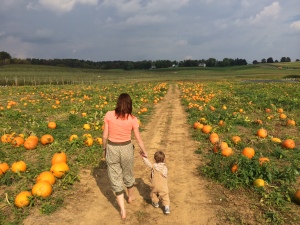
My biggest lesson so far!

IMG_4154.JPG

“Motherhood is a unique and personal journey, tread softly so you can feel and hear the depth of each moment, you may never get to where you intended on going, be sure to revel in the beauty of surrendering and accepting where you are – a little hand will always reach up to ground you and remind you it is the journey TOGETHER that is more fun, than the destination…”

Recent Posts

See All
A little lesson I needed to learn

<p>I spend so much of my time these days teaching and guiding, as you do with two little curious beings &#8211; whose survival is solely reliant on my ability as a mother to teach wrong from right, to


Comments


OIP-removebg-preview.png
Screenshot_3-7-2025_20481_breatheforchange.com.jpeg
  • Facebook
  • Instagram
  • YouTube

Frequently Asked Questions: 1. What exactly is 9D breathwork? 9D breathwork is a guided, multi-sensory experience using breath, sound, vibration, and visualization to support emotional release and nervous system regulation. 2. Do I need prior experience with breathwork? No — 9D breathwork is accessible to beginners and can be adapted for all levels. 3. What does a typical session feel like? Most people experience deep relaxation, heightened clarity, emotional release, or a sense of spaciousness and inner calm. 4. Is it safe? Yes, when practiced with a trained facilitator. You’re always in control of your breath and can slow down or pause at any time. 5. What should I bring to a session? Comfortable clothing, water, and an open mind. A mat, blanket, or eye mask can enhance comfort. 6. Can 9D breathwork help with stress or anxiety? Yes — it’s specifically designed to calm the nervous system and soften the patterns that fuel stress and overwhelm. 7. How long does a session last? Typically 45 to 75 minutes, depending on the format. 8. What types of grief do you support? All forms — from the death of a loved one to divorce, illness, identity shifts, career changes, or the slow accumulation of emotional overwhelm. 9. Do I need to talk about my trauma in detail? No. You can share as much or as little as you feel comfortable with. The work is body-centered and expressive, not dependent on retelling painful stories. 10. How does breathwork help with grief? The breath helps calm the nervous system, release stored tension, and create emotional space to process difficult experiences. 11. What if I get emotional during a session? Emotion is welcome. You’ll be supported and guided safely through whatever arises. 12. How do art or journaling help with grief? They provide nonverbal pathways to express what’s hard to articulate, helping you move emotions out of the body and onto the page. 13. What is somatic movement, and why is it useful? Somatic movement gently reconnects you to your body, releasing stress patterns and supporting emotional integration. 14. How long does it take to feel better? Healing is personal. Some people feel lighter after one session, while others benefit from ongoing support. 15. Is 9D breathwork safe if I have a medical condition? In most cases, yes — but it’s important to let your facilitator know about any conditions so the session can be adjusted if needed. 16. Are there conditions where breathwork should be modified or avoided? People with severe cardiovascular issues, unmanaged high blood pressure, epilepsy, recent major surgery, or pregnancy may require modifications or a gentler approach. When in doubt, consult a healthcare provider first. 17. Can breathwork replace therapy or medical treatment? No — breathwork is a complementary healing tool. It can support emotional well-being and nervous system regulation, but it is not a substitute for professional medical or psychological care. 18. What if I feel lightheaded or dizzy? This can happen when breathing patterns shift. You can always slow your breath, pause, or return to normal breathing. Your facilitator will guide you. 19. Will breathwork trigger panic or overwhelm? While breathwork is designed to calm the nervous system, emotional releases can happen. You’ll be guided safely and encouraged to move at a pace that feels supportive. 20. Is 9D breathwork safe during pregnancy? Gentle breathwork can be fine for pregnancy, but deeper, activating patterns are not recommended. Always consult a healthcare provider and inform your facilitator beforehand. 21. Can breathwork help with anxiety or trauma symptoms? It can support the nervous system and emotional processing, but results vary. It should be paired with appropriate healthcare if you’re dealing with chronic or severe symptoms. 22. What physiological changes happen during a session? People often experience slower heart rate, reduced muscle tension, shifts in oxygen/CO₂ levels, and activation of the parasympathetic nervous system — the body’s natural “rest and restore” state. ​

Hours: Monday-Friday. Weekend

Appointments available by request

Featherandferncenter@gmail.com

bottom of page